
There are many different ways to improve your chances of business success. However, if you’re in the business of manufacturing and selling products, then everything is going to be, in part, determined by how efficiently and effectively you can keep up with demands. Sometimes, that means ensuring that you’re able to streamline your production line as best as possible. Here, we’re going to look at a few ways you can do just that, keeping costs down and speeding up production.
Invest in better equipment
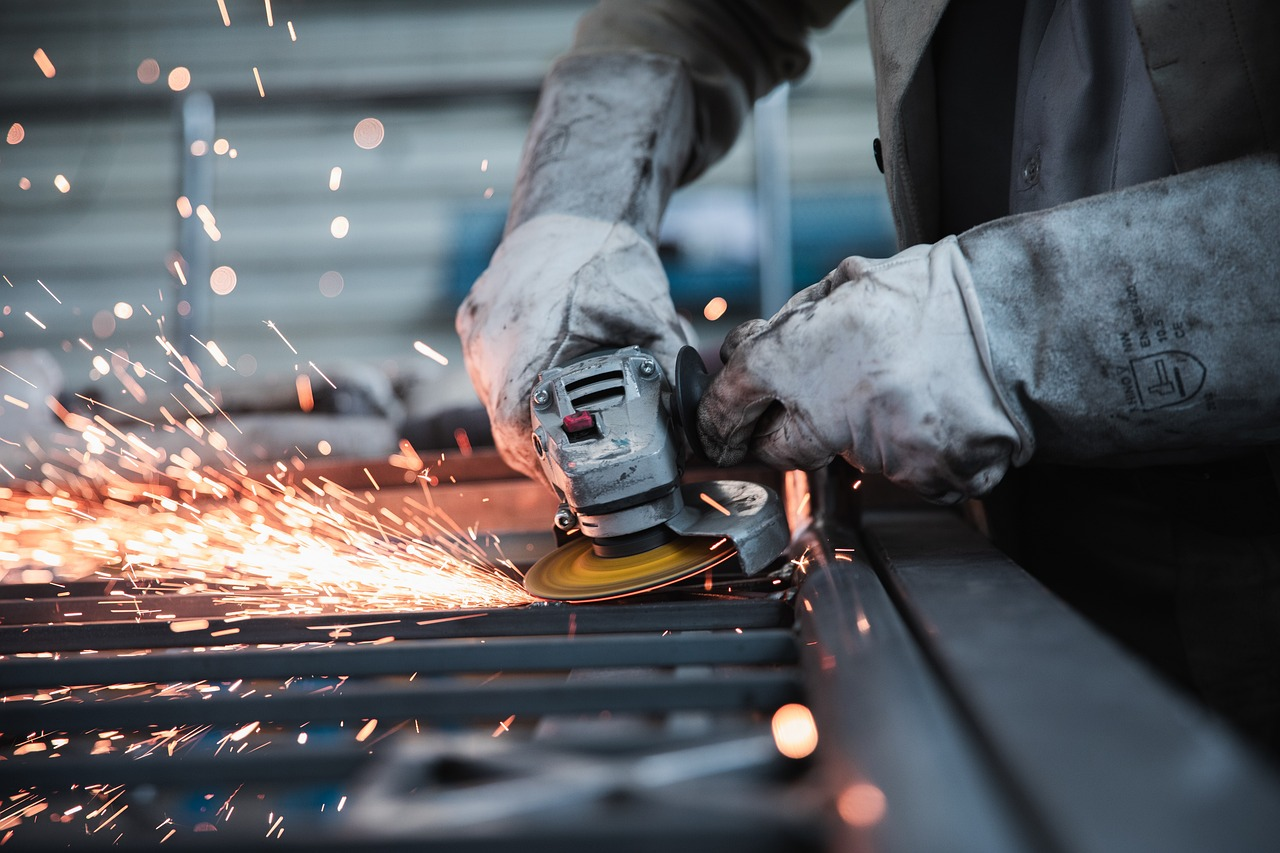
Simply put, you need to know when your production line is being held up by your machines. Whether it has become much less efficient over time, or there are simply new machines that are able to do their job much better, finding the equipment that runs faster and with a lower margin of error is going to ensure that your production capacity is kept to as close as it can be to max for as long as possible. You might also want to look at machines that can help you automate some of the steps in your process, too.
Manage your materials better
It’s not just the machines that need more attention, of course. The materials that you use in the production process are just as important to the overall efficiency of the undertaking. As such, if you’re able to more efficiently handle materials, such as packaging and moving them more easily with the help of a bulk bag filler, then you’re going to waste less time storing, finding, and transporting the resources you need to keep production going. What’s more, bulk bags can help you avoid spillage and loss of dry raw materials.
Find and work around bottlenecks
If you haven’t yet done so, then now is a great time to create a workflow chart for your manufacturing process. You should be able to draw a line from the point of input, when you add your raw materials to the process, directly through to the end result. You might find a certain process or machine that acts as a bottleneck, whether it’s because multiple different processes lead up to it, or simply because it takes longer than other steps in the process. Getting around this bottleneck, either by increasing the volume of machines doing the same work, or outsourcing to a team that can handle it for you, can help you speed production right up.
Put proper quality control in place
Of course, to understand how effective the tips above are in helping you, you need to be able to measure their impact. Putting quality control checks in place, such as checking that orders are correct, that the quantity of goods produced is accurate, and that there are no defects, will give you clear ideas on where your current production method is letting you down and what you can do to improve it.
There are plenty of other ways to streamline your production process. To get more specific with the right advice, you need to look at what tasks your process includes, and what specific solutions can help you make them quicker, cleaner, and more cost-effective.


